
the king of sapphires
Padparadscha
ABOUT
Padparadscha sapphire is one of the rarest and most luxurious gemstones, renowned for its stunning beauty and rarity. Its color combines pink and orange hues, reminiscent of lotus flowers, sunsets, and tropical fruits. While not widely known to the public, it has been highly valued by gem experts and collectors for generations. Known as the "King of Sapphires," the Padparadscha sapphire stands out for its unique and captivating appearance.
Subheading
NAME
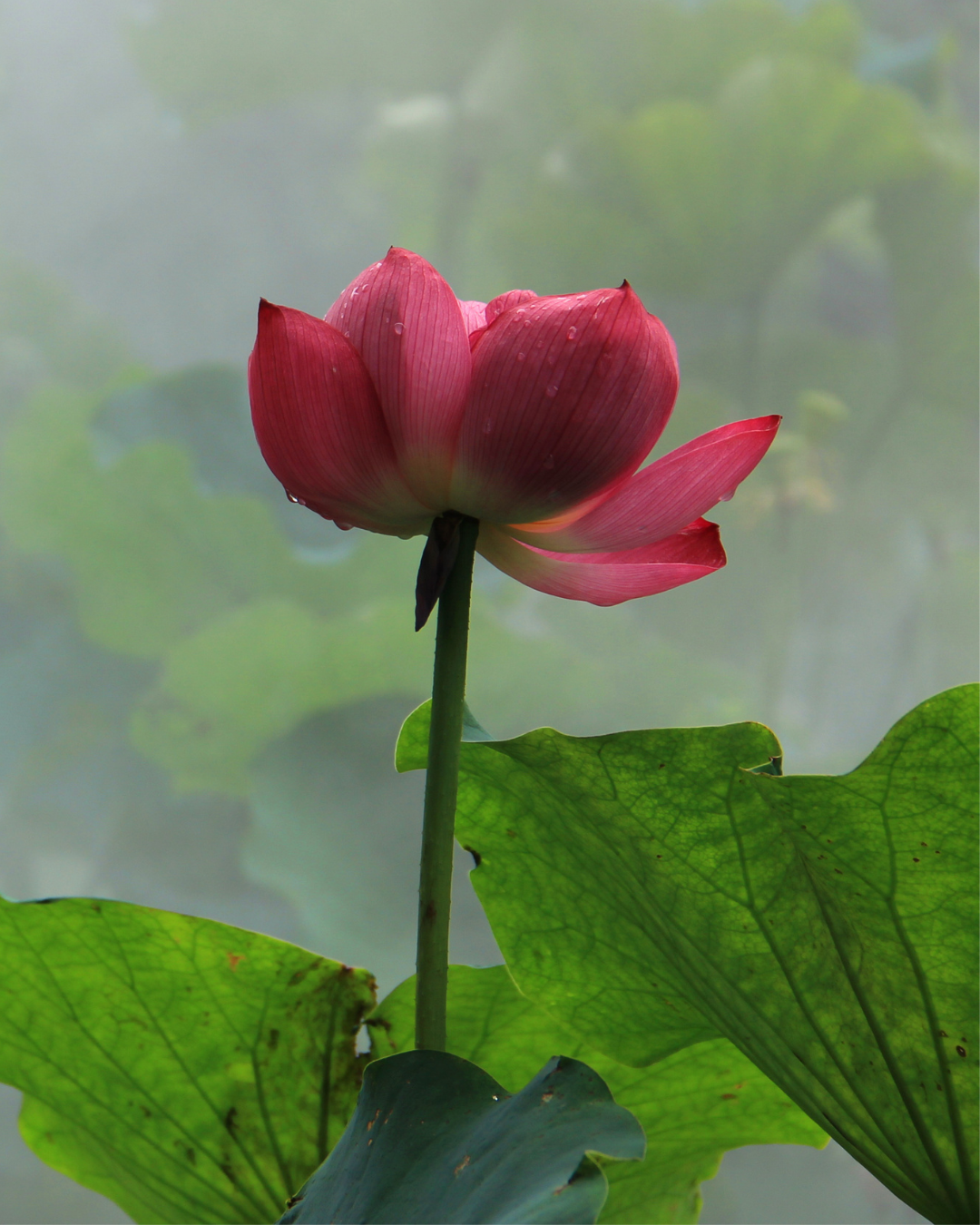
The name "Padparadscha," derived from the Sinhalese wordpadma raga, means "lotus flower," symbolizing Sri Lanka's national flower. The sapphire's unique pink-orange color reflects the lotus blossom and sunsets, embodying qualities of longevity, health, honor, and good fortune. While the Padparadscha sapphire is known for its salmon-colored hue, its shades can vary, sometimes showing zones of pink and yellow. This rare and exotic gemstone is one of the most prized in the world, with its vibrant, changing colors adding to its allure.
Subheading
COLOUR
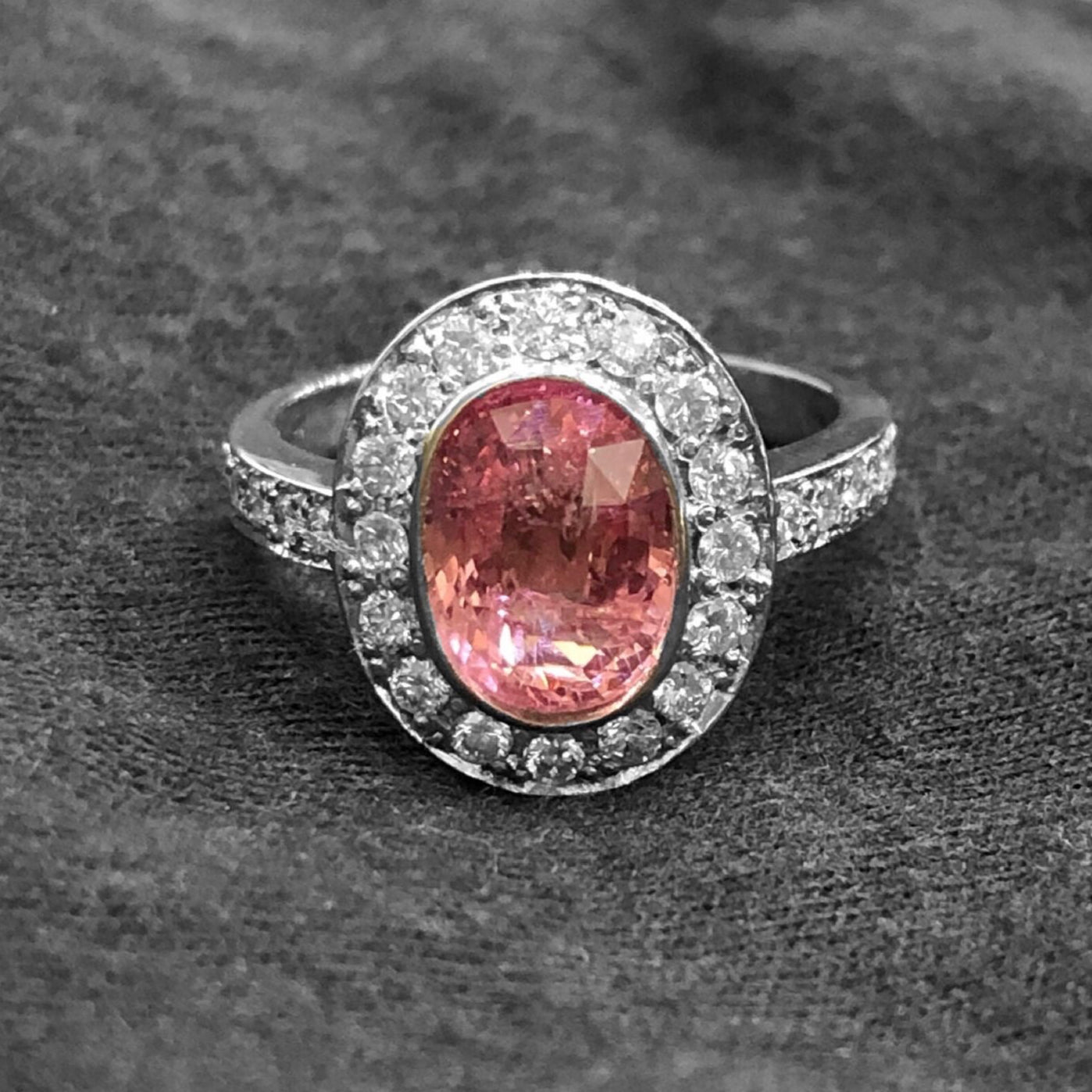
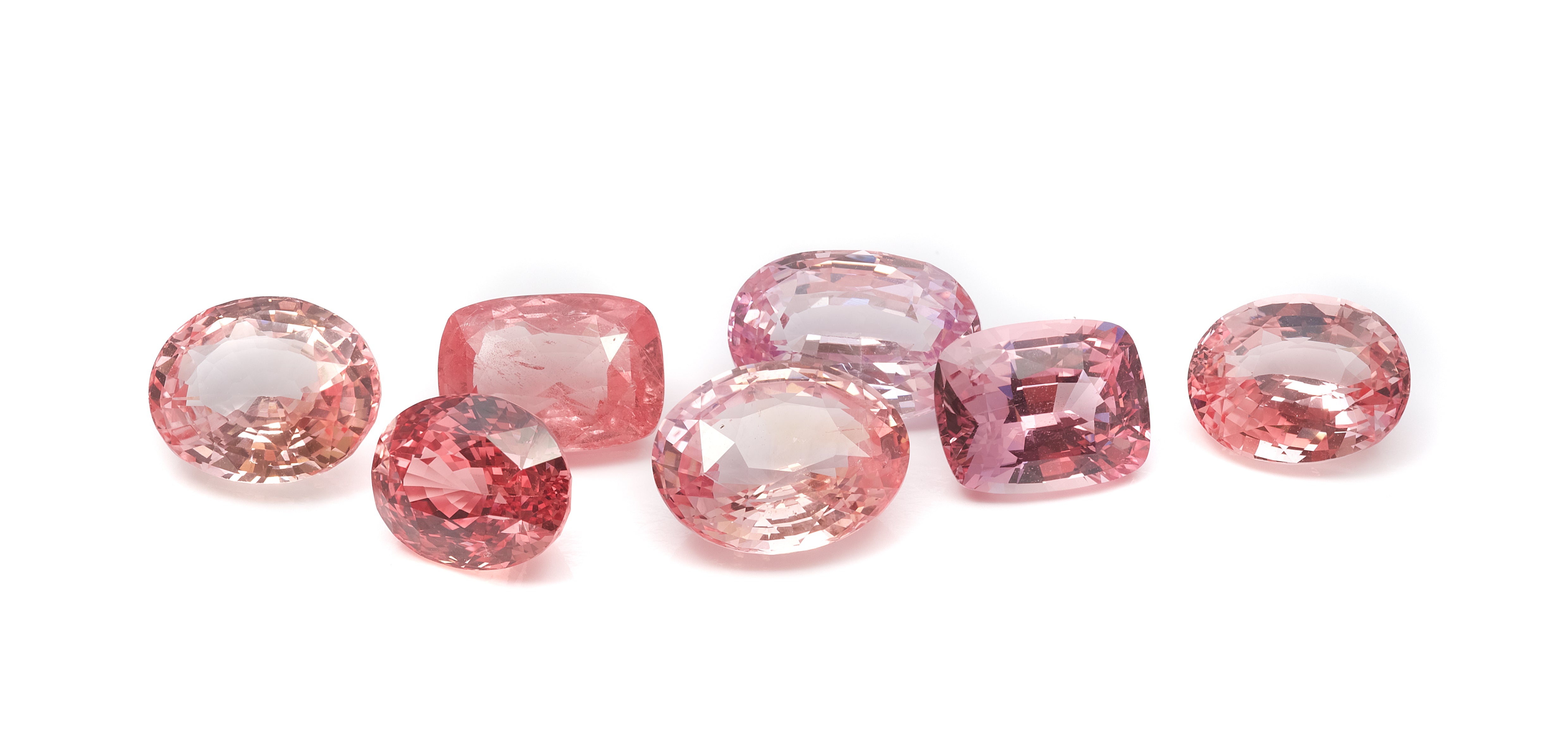
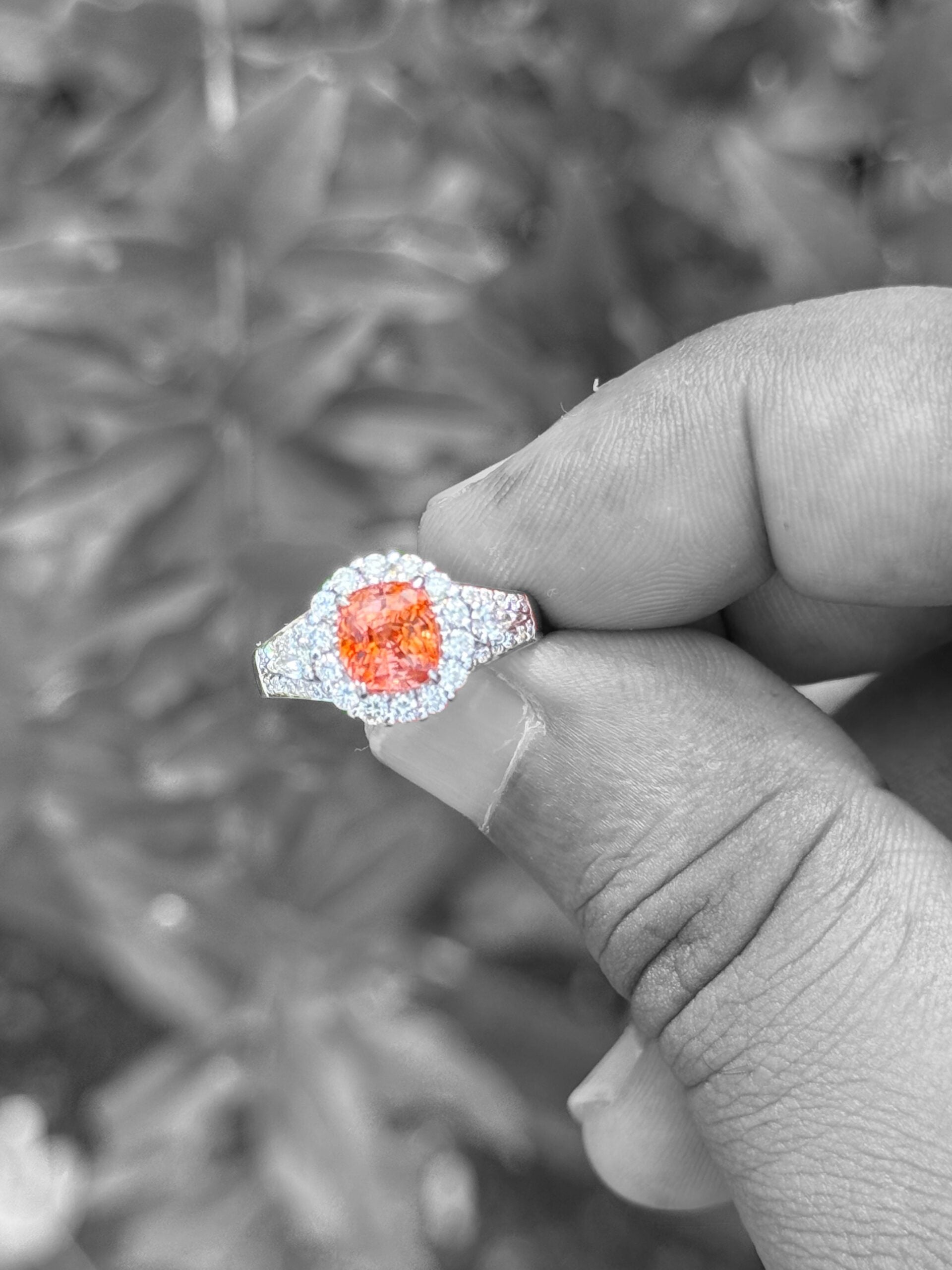
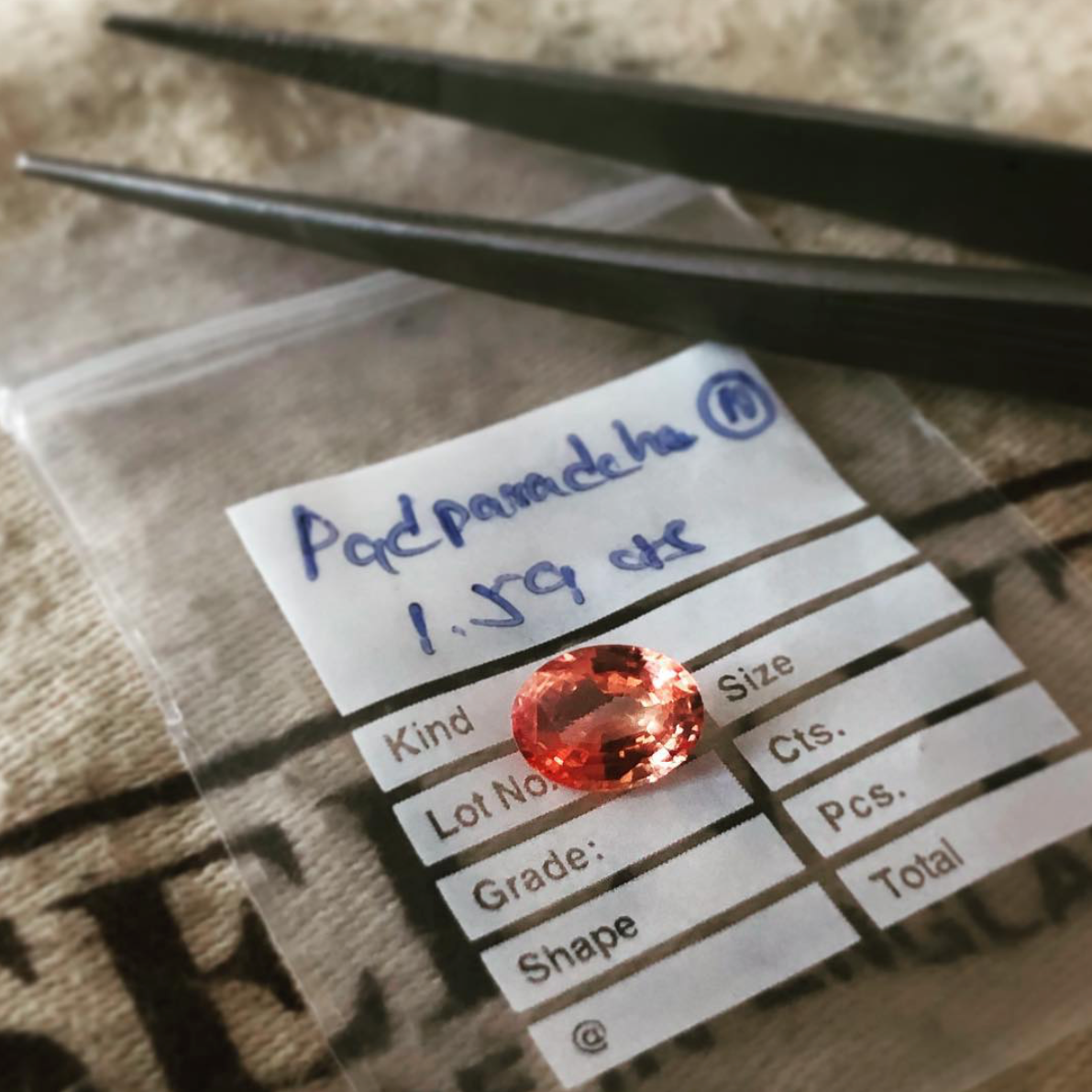
Padparadscha sapphires display a range of hues from pink with orange tones ("orangy-pink") to orange with a hint of pink ("pinkish-orange"). These colors can vary from light to medium saturation, with each sapphire being unique in its color. The intensity of the hue plays a significant role in its value, with more intense colors being rarer and more valuable. The gemstone must also have even color distribution and be untreated, with only conventional heating allowed. The terms "Sunrise" and "Sunset" are used to describe sapphires with pink-dominant or orange-dominant colors, respectively. The ideal color combines pink-orange and orange-pink shades, often compared to a lotus blossom or tropical sunset.
Treatment of Padparadscha Sapphires
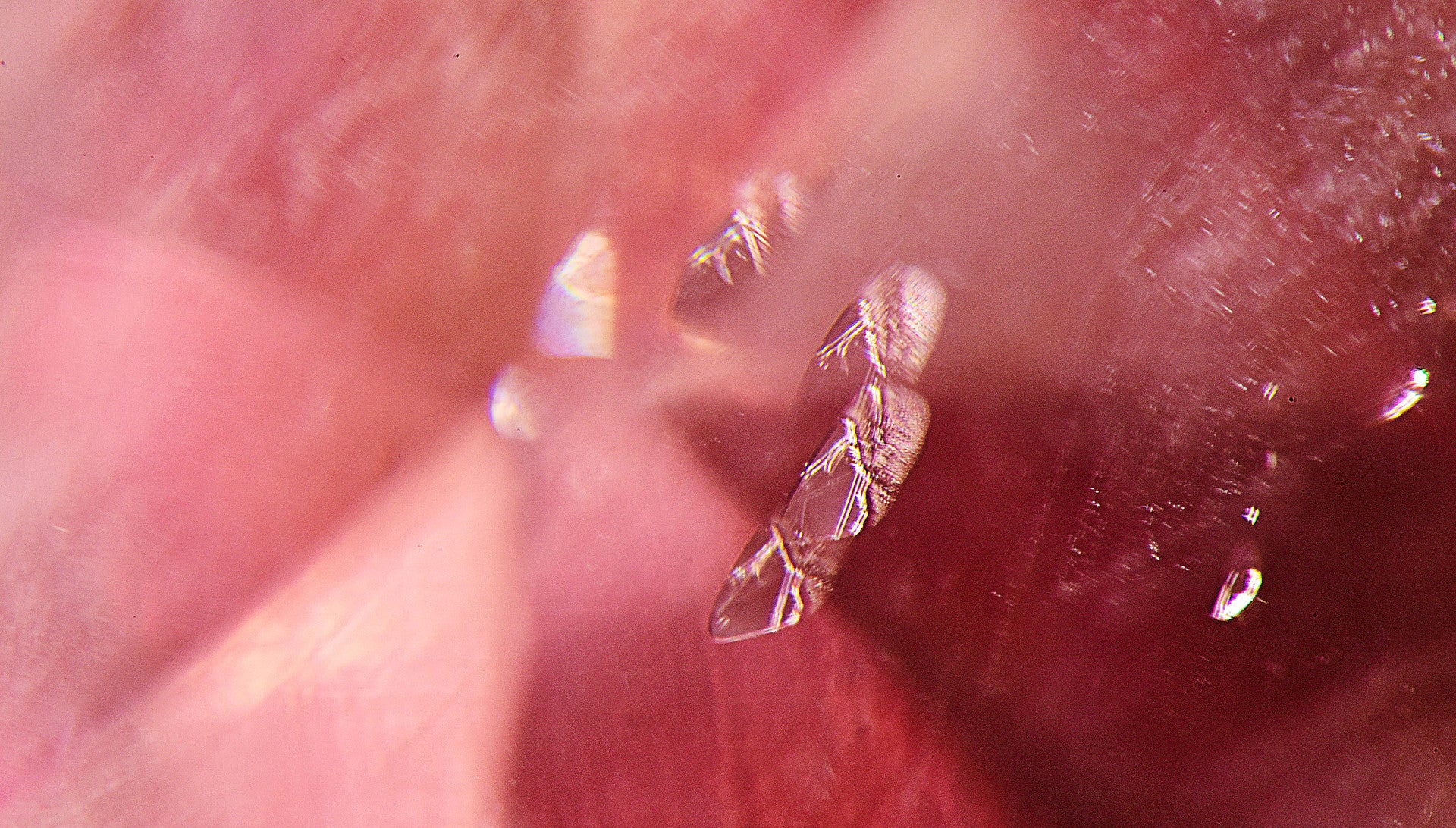
Like other rubies and sapphires, Padparadscha sapphires are often heated to enhance their purity and color. This treatment, which involves lower temperatures, is typically used to optimize clarity rather than significantly change the color. Heavily heated Padparadscha sapphires don’t require special labeling, as the process is considered a standard improvement.
Untreated, natural Padparadscha sapphires (those that have not been heated) are much rarer and more valuable, especially if they feature a rich pink-orange hue. If you’re looking to invest in one of these rare gemstones, a non-heated Padparadscha is an ideal choice, and its value will likely increase over time.
Padparadscha: The Gem of Sunrise and New Beginnings
There’s something truly poetic about a padparadscha sapphire — that soft blend of pink and orange hues reminiscent of a lotus flower at dawn. But beyond its beauty, the gem carries deep symbolism.
The lotus, which inspires the colour of padparadscha, rises gracefully from murky waters to bloom pure and radiant — a timeless symbol of renewal, love, and spiritual awakening. In many cultures, it represents enlightenment, purity, and eternal harmony — all meaningful qualities for two souls beginning a new chapter together.
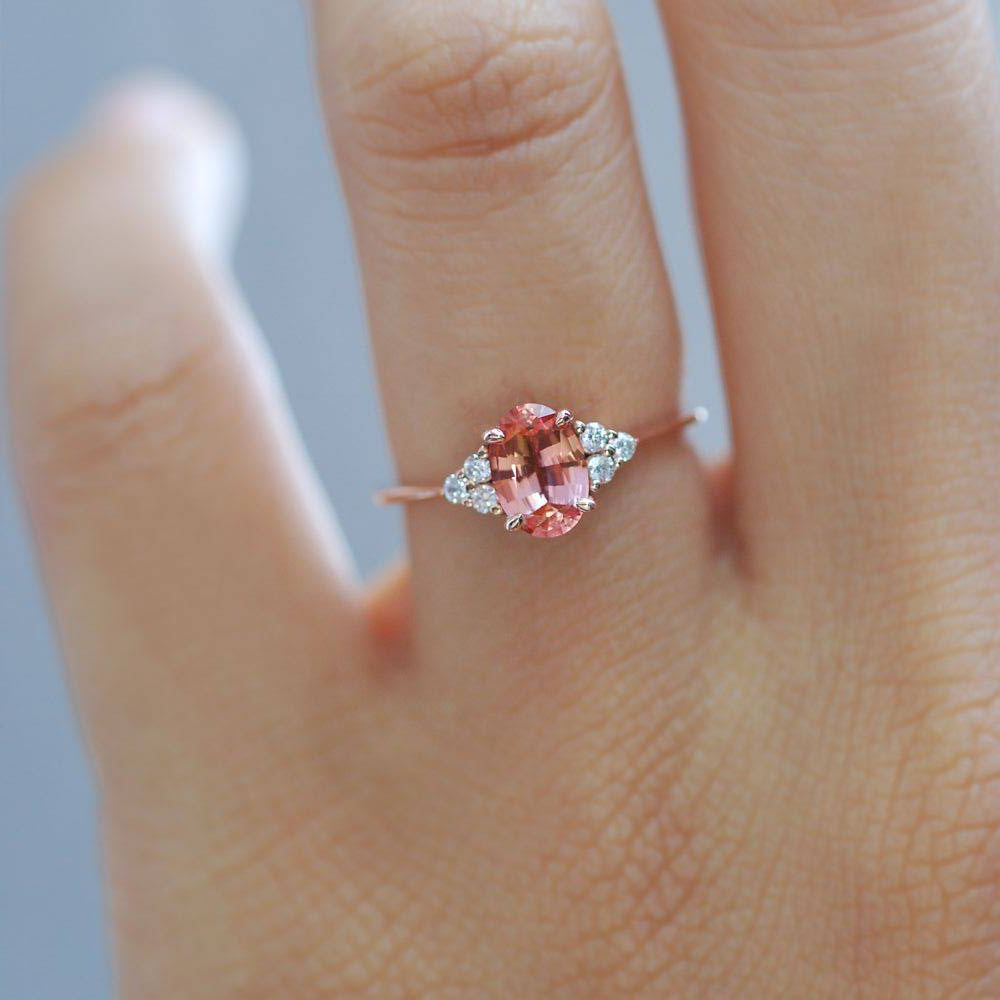
Because padparadscha sapphires are incredibly rare, gem cutters take special care to preserve every bit of their natural beauty. Each stone often ends up with its own unique shape, adding to its individuality and charm. Stones above two carats are uncommon, and anything beyond five carats is considered truly exceptional.
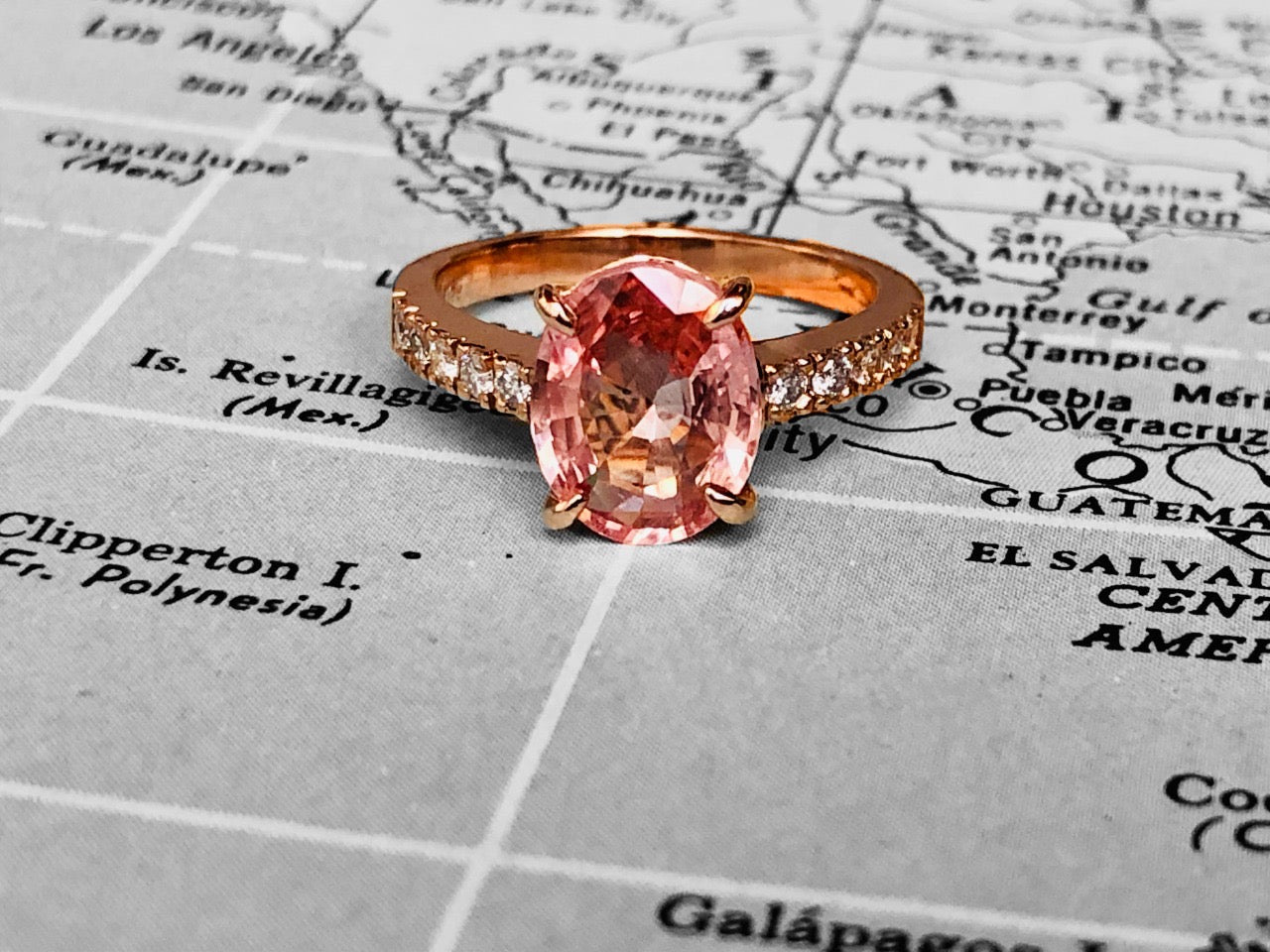
A beautiful example of this gem’s timeless appeal is the engagement ring of Princess Eugenie — a breathtaking oval padparadscha sapphire surrounded by diamonds, symbolising grace, rarity, and everlasting love.
A padparadscha sapphire isn’t just a ring choice — it’s a promise of light, growth, and new beginnings.
The Origins of Padparadscha Sapphires
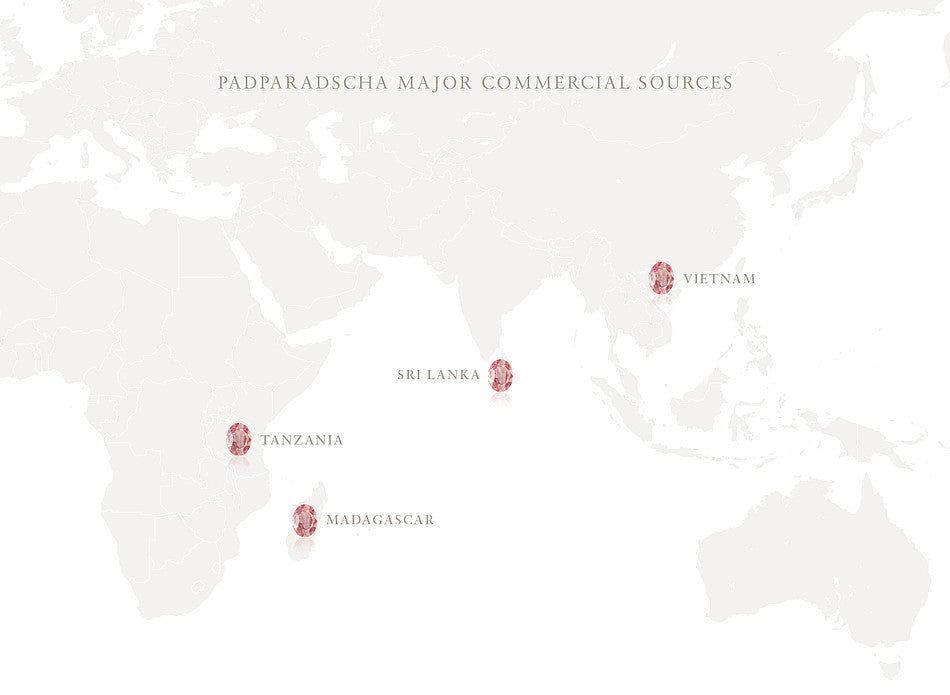
For many years, Sri Lanka was considered the only true country of origin for Padparadscha sapphires. In recent years, however, stones have been found in Madagascar, Vietnam, and Tanzania whose saturation and color have been deemed worthy of the name Padparajah sapphire. Nevertheless, Sri Lanka remains the country of origin of the finest Padparadscha sapphires, the fantastic color diversity of the local flora is reflected in magnificent sapphires unearthed mainly in the regions of Ratnapura, Elahera and Kataragama in the south.
Some experts insist that genuine padparadschas can only come from Sri Lanka, which for centuries was the only source of this coveted stone. The prevailing opinion in the market is that the finest stones actually come from Sri Lanka, but Madagascar now produces a majority of the stones available in the market, which are also beautiful. The stones from Madagascar are usually more "pink" than "orange" and are a very nice and welcome addition to the Padparadscha offerings.

Spectrum of colour
Learn about coloured gemstones
Spectrum of colours
Why Coloured Stones?
Spectrum of colours
Introduction to Sapphires
Spectrum of colours
Sapphires: Mine to market
Spectrum of colours
Sapphires treatments
Spectrum of colours
Other coloured gemstones
Spectrum of colours
Introduction To Padparadscha
Spectrum of colours
How to pick your colored stone